

White Tail Design Build – Expert Food Plot Design for Whitetail Deer in Eau Claire, WI
When it comes to creating the perfect habitat for whitetail deer on your property, the right food plot design makes all the difference. At White Tail Design Build, we understand that every piece of land is unique. Our professional food plot design for whitetail deer in Eau Claire WI takes into account your property’s specific terrain, soil conditions, and deer movement patterns to create plots that actually work.
We know you want to see more deer activity on your land. That’s why our team uses proven techniques to design food plots that attract and hold deer throughout the hunting season and beyond. Whether you own 20 acres or 200 acres, we’ll create a customized plan that fits your goals and budget. Our designs optimize plot placement for maximum hunting access while providing the nutrition whitetail deer need to thrive.
Whitetail Food Plot Installation Contractors in Eau Claire WI
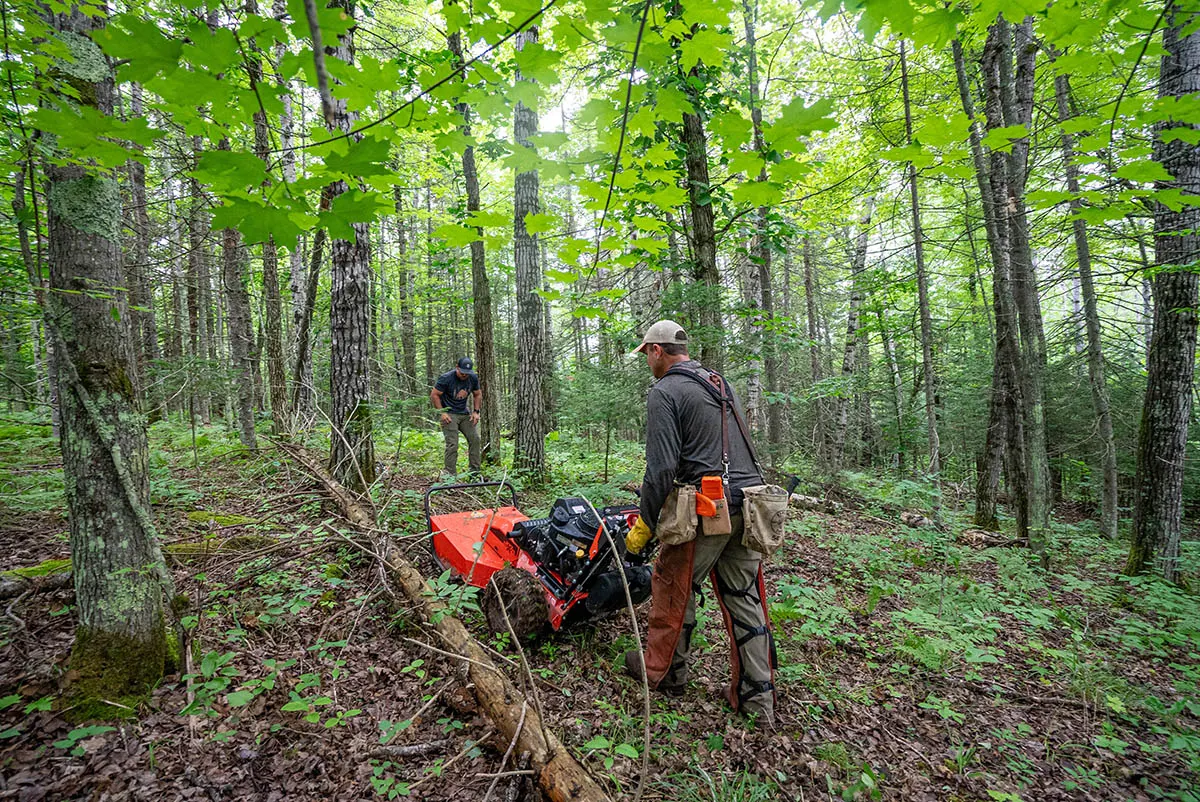
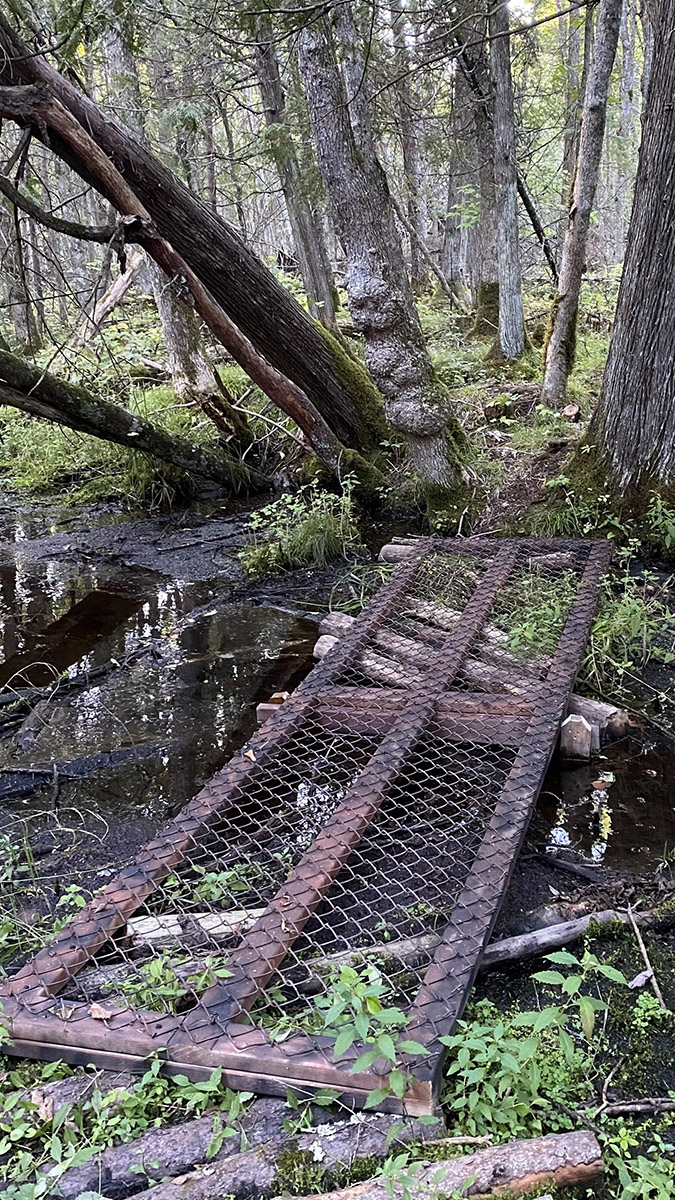
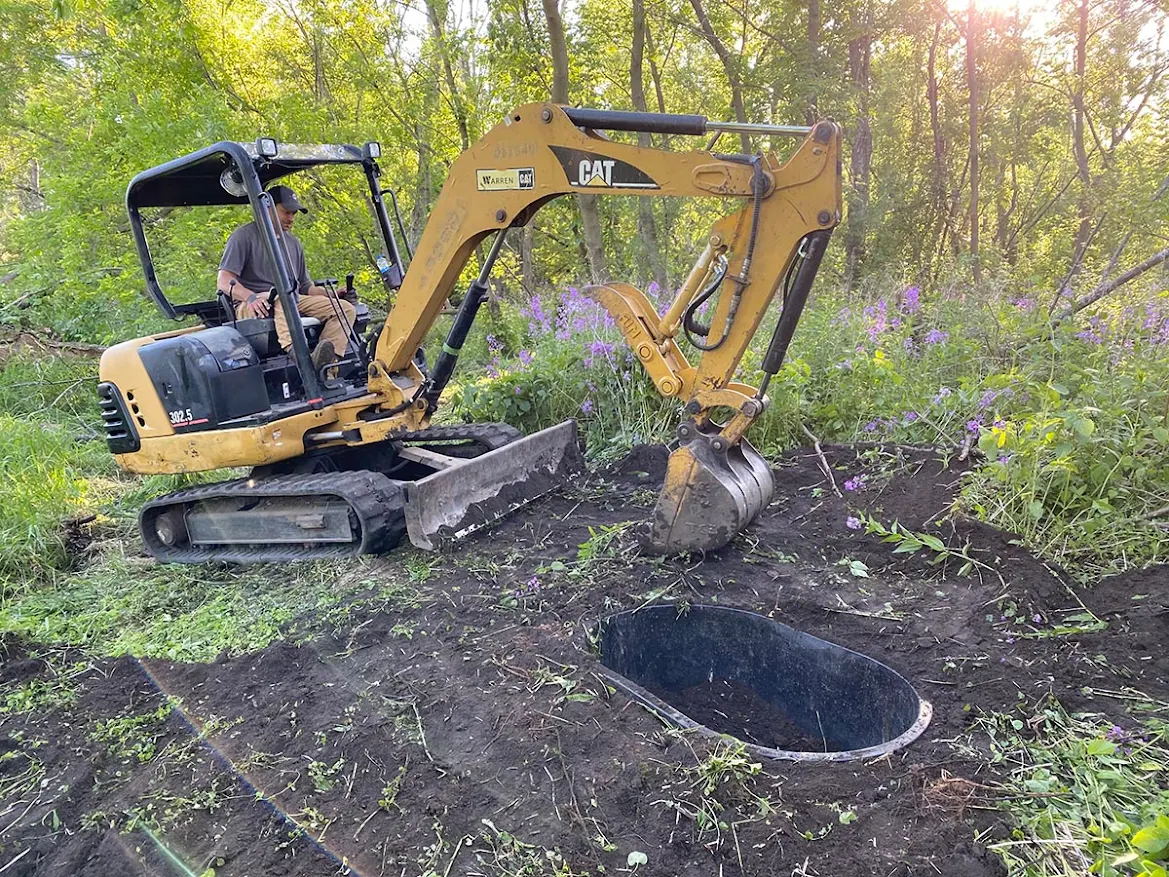
Designing a great food plot is one thing, but proper installation is where the real work happens. As experienced whitetail food plot installation contractors in Eau Claire WI, we handle every step of the process so you don’t have to. From soil testing and land clearing to seed selection and planting, our team has the equipment and expertise to get the job done right.
Many landowners simply don’t have the time or equipment needed to establish quality food plots. Heavy-duty tillers, seed drills, and specialized equipment are expensive to buy and maintain. That’s where we come in. Our whitetail food plot construction services in Eau Claire WI include everything from initial ground preparation to final planting. We work efficiently to complete your project during the optimal planting windows, ensuring the best possible results for your investment.
What You Get With Our Services
Increased Deer Activity – See more deer on your property with strategically placed food plots that provide consistent nutrition throughout the year.
Better Hunting Success – Our plot layouts consider wind direction, access routes, and stand placement to improve your hunting opportunities.
Save Time and Effort – Let our professionals handle the hard work while you focus on enjoying your land and planning your next hunt.
Expert Seed Selection – We choose the right seed blends for Wisconsin’s climate and your specific soil conditions to ensure strong growth.
Complete Deer Food Plot Services in Eau Claire WI
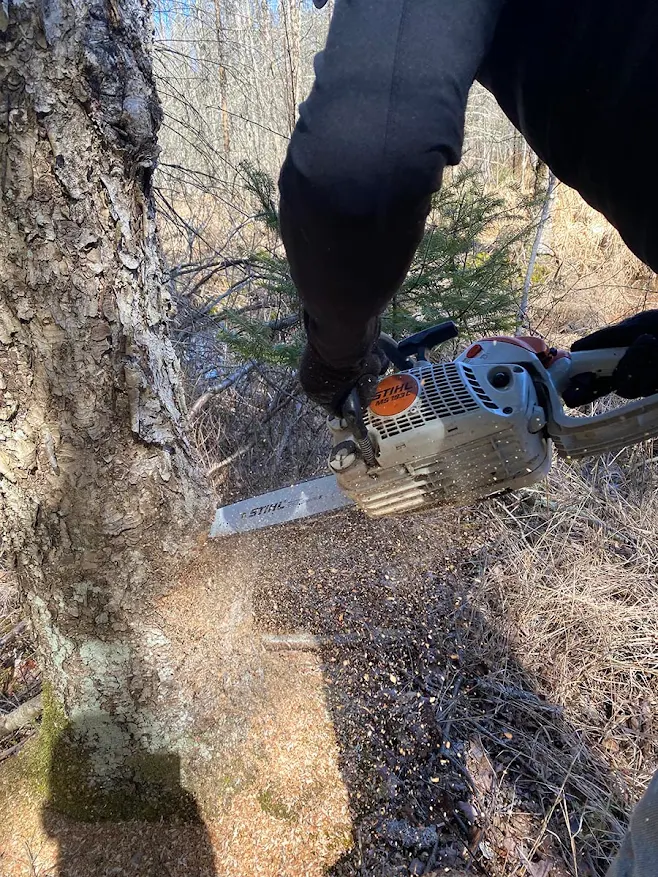
Our deer food plot services in Eau Claire WI go beyond basic planting. We provide comprehensive solutions that address every aspect of food plot management. This includes soil testing to determine pH levels and nutrient deficiencies, recommendations for lime and fertilizer applications, and ongoing consultation to help you maintain your plots year after year.
We work with hunters, landowners, farmers, and conservation groups who all share a common goal: creating better habitat for Wisconsin’s whitetail deer. Whether you’re managing land for personal hunting, operating a hunting club, or working on a conservation project, our services are tailored to your specific needs. We understand that healthy deer populations and quality hunting experiences start with proper nutrition, and that’s exactly what our food plots deliver.
Whitetail Hunting Land Food Plot Specialists in Eau Claire WI
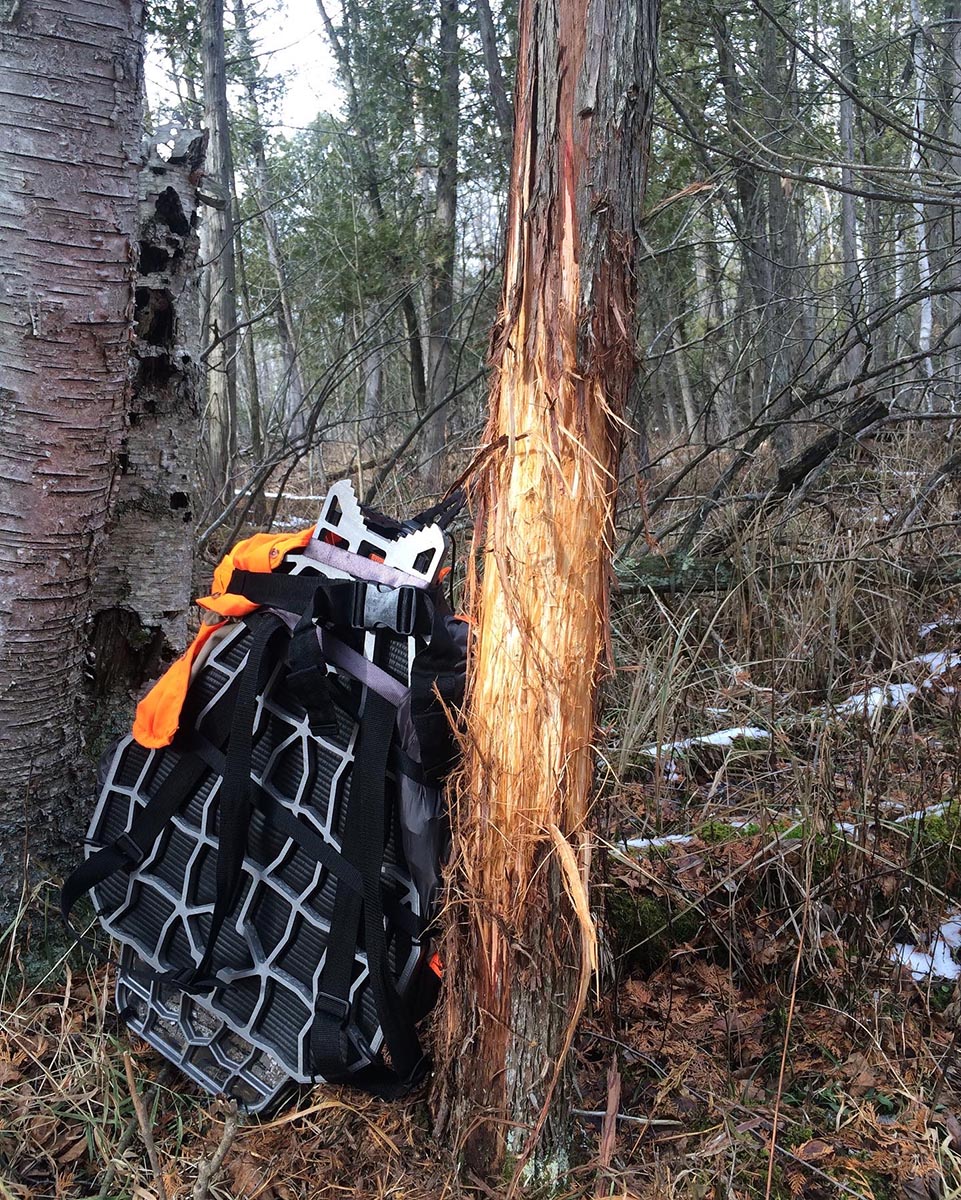
As dedicated whitetail hunting land food plot specialists in Eau Claire WI, we live and breathe deer management. Our team consists of hunters who understand what it takes to pattern deer and create productive hunting properties. We don’t just plant seeds—we create wildlife management systems that improve your land’s carrying capacity and attract mature bucks.
Our expertise comes from years of working on diverse properties throughout the Eau Claire area. We’ve seen what works and what doesn’t. We know which food plot strategies produce results and which ones waste money. When you partner with us, you’re getting that knowledge applied directly to your property.
Why Choose Professional Food Plot Services?
Many property owners attempt DIY food plots only to be disappointed with the results. Poor soil preparation, wrong seed selection, improper planting depth, and bad timing can all lead to failed plots that waste your time and money. When you work with White Tail Design Build, you’re getting years of experience and proven results.
We know which seed varieties perform best in Eau Claire County’s soil types. We understand when to plant for maximum germination and growth. Our equipment ensures proper seed-to-soil contact for strong establishment. Most importantly, we design plots that fit into your overall property management strategy, considering factors like bedding areas, travel corridors, and water sources.
Our clients include individual landowners who want to improve their hunting properties, farmers looking to manage wildlife alongside their agricultural operations, and hunting clubs that need reliable food sources for their members. We also work with conservation organizations focused on habitat improvement and wildlife management.
Each client has different goals, and we take the time to understand what you’re trying to achieve. Some want to see more does and fawns for wildlife viewing. Others are focused on growing bigger bucks for trophy hunting. Some are balancing crop production with wildlife management. Whatever your objectives, we’ll design and install food plots that help you reach them.
Get Started Today
Ready to transform your property into a whitetail paradise? The first step is a property assessment where we’ll walk your land, discuss your goals, and develop a customized plan. We’ll explain what types of plots will work best for your situation and provide a clear estimate for the entire project.
Don’t wait another season to start seeing better deer activity on your land. Contact White Tail Design Build today and let’s create the food plot system that will bring your hunting property to the next level. Whether you need a single plot or a comprehensive management plan for hundreds of acres, we have the experience and equipment to make it happen.
Call us today or fill out our online form to schedule your free property consultation in Eau Claire, WI.
Frequently Asked Questions (FAQs)
What is the best time of year to plant food plots for whitetail deer in Wisconsin?
The best time depends on what you’re planting. Spring plots (late April to early May) work well for warm-season crops like soybeans and corn. Fall plots (mid-August to early September) are ideal for brassicas, winter wheat, and clover. Fall plots are especially popular with hunters because they provide food during hunting season when deer need the most nutrition.
- What crops should I plant in spring food plots vs. fall food plots? Spring plots typically include soybeans, cowpeas, lablab, and warm-season clovers. These grow during hot weather and provide protein-rich food through summer. Fall plots usually consist of brassicas (turnips, radishes, kale), winter wheat, rye, oats, and chicory. Fall plantings are more cold-tolerant and provide nutrition when natural food sources decline.
- Can I plant the same food plot location in both spring and fall? Yes, many hunters use a rotation system where they plant warm-season annuals in spring, then till and replant with cool-season crops in fall. This keeps the plot productive year-round and prevents soil depletion. However, the plot needs proper management between plantings, including weed control and possible fertilization.
- Do brassicas really attract more deer than other crops? Brassicas become highly attractive to deer after the first frost when starches convert to sugars, making them sweeter. Deer may ignore them early in the season but will hammer them hard from October through winter. They’re excellent for late-season hunting but shouldn’t be your only food source.
- What happens if I plant my food plots too early or too late? Planting too early risks poor germination from cold soil temperatures or seeds getting eaten by birds and insects. Planting too late means crops won’t establish before frost (for spring plots) or winter (for fall plots). Late plantings also face more weed competition and may not provide adequate nutrition when deer need it most.
How much does professional food plot installation cost?
Professional food plot installation typically costs between $300 to $800 per acre, depending on plot size, soil condition, seed selection, and services included. Smaller plots (under 2 acres) cost more per acre due to equipment mobilization. Larger properties often get volume discounts. This usually includes soil testing, ground preparation, lime/fertilizer application, seed, and planting.
- Is it cheaper to do food plots myself or hire a contractor? DIY can save labor costs but requires significant equipment investment. A quality tiller or disc harrow costs $2,000-5,000+, plus a tractor to pull it. Seed drills run $3,000-10,000. If you only have one small property, hiring professionals is usually more cost-effective. If you manage multiple properties or large acreage annually, purchasing equipment may pay off over time.
- What equipment do I actually need to install food plots on my own? At minimum, you need a way to prepare soil (tractor with disc or tiller), a method to spread seed (broadcast spreader or seed drill), and often a cultipacker or roller to ensure seed-to-soil contact. You’ll also need a soil test kit, lime spreader, and fertilizer spreader. Many hunters start with an ATV and basic implements, which works for small plots but isn’t ideal for larger areas.
- Are there hidden costs with food plot installation? Common additional costs include lime (if soil pH is low), fertilizer, ongoing weed control, and potential re-seeding if establishment fails. Some properties need land clearing or drainage work before planting. Fencing may be necessary if deer pressure is so high they eat plots before crops establish. Always ask contractors what’s included in their quote.
How many acres of food plots do I need for my property?
A general rule is 2-5% of your total property should be in food plots. For a 100-acre property, that’s 2-5 acres of plots. However, this depends on deer density, existing natural food sources, your goals, and plot productivity. Small, scattered plots (0.25 to 1 acre each) often work better than one large plot because they create more edge habitat and feeding opportunities.
- Can you have too many food plots on your property? Yes, especially if you’re trying to grow mature bucks. Too many plots spread deer out, making them unpredictable and harder to pattern. Excessive plots also reduce bedding cover and create more access trails, increasing human pressure. Focus on strategic plot placement near bedding areas and travel corridors rather than maximum acreage.
- Should food plots be hidden in the woods or out in the open? Both work depending on your goals. Open plots in fields attract deer for feeding, especially at dawn and dusk. Small hidden plots (0.25-0.5 acres) inside timber create secure feeding areas where mature bucks feel comfortable during daylight. A mix of both gives deer options and improves your chances of daytime sightings.
- What’s better: several small food plots or one large food plot? Several small plots (0.5 to 1 acre each) scattered across your property are usually more effective. They’re easier to access for hunting without educating deer, they create more edge habitat, and deer find them easier to locate. One large plot can concentrate deer but may keep them in the center, out of bow range, and requires more effort to hunt effectively.
What is the best food plot seed for attracting mature bucks?
There’s no single “best” seed—mature bucks need different nutrition throughout the year. High-protein crops like soybeans and clover (15-30% protein) are excellent for antler growth in spring and summer. High-carbohydrate crops like corn and brassicas help bucks recover body weight before and after the rut. A diverse planting strategy with both protein and carbohydrate sources keeps bucks on your property year-round.
- Do I need different food plots for does vs. bucks? Not really. Both sexes need the same nutrition, though their timing differs slightly. Does need high protein when nursing fawns (late spring through summer). Bucks need high protein during antler development (April through August) and high carbs before the rut to build fat reserves. Planting a variety of crops ensures something is available when each sex needs it most.
- Will food plots really help me shoot a bigger buck? Food plots alone won’t guarantee bigger bucks. They must be part of a complete management strategy including age structure (letting young bucks walk), quality cover, minimal hunting pressure, and good access routes. However, proper nutrition from food plots can add 10-30 inches of antler growth on bucks that already have good genetics and age. Think of plots as keeping deer on your property, not creating Boone and Crockett bucks from scratch.
- How long does it take to see results from food plot management? You’ll see increased deer activity within the first season if plots are planted correctly. However, significant improvements in buck quality take 3-5 years because you need younger bucks to age into maturity. Don’t expect to plant food plots this fall and shoot a 150-inch buck in November. This is a long-term investment in your property.
Do food plots work on small properties under 40 acres?
Yes, food plots can be very effective on small properties when done correctly. Focus on 2-3 small plots (0.25 to 0.5 acres each) that provide nutrition without requiring deer to expose themselves in large open areas. Small properties benefit most from plots near boundaries where deer enter from neighboring lands, and from crops that provide late-season attraction when hunting pressure is high on surrounding properties.
- How do I keep deer from eating my food plots before they establish? Plant more than deer can eat in the establishment phase. Overseeding by 25-50% helps. Some hunters use exclusion cages (small fenced areas) to see how crops should perform without grazing pressure. Electric fencing works but is expensive and labor-intensive. The best solution is often planting fast-growing crops and timing plantings so they establish during periods when natural food is abundant.
- Will my food plots just feed my neighbor’s deer? Possibly, especially on small properties. Deer don’t recognize property lines. However, food plots still benefit you by attracting deer to your property during shooting hours. If your plots are the best food source in the area, deer will pattern around them. Combined with smart stand placement and good access routes, you can capitalize on deer your plots attract, even if they bed on neighboring land.
- Should I talk to my neighbors about coordinating food plot efforts? Absolutely. Cooperative management with neighbors creates larger effective habitat areas. If multiple landowners plant complementary crops and practice similar buck management strategies, everyone benefits. Even informal conversations about not hunting certain areas or letting young bucks walk can dramatically improve results for the entire neighborhood.
What soil pH level do I need for successful food plots?
Most food plot crops grow best with soil pH between 6.0 and 7.0. Below 6.0, essential nutrients become less available to plants even if they’re present in the soil. Brassicas and clovers are particularly pH-sensitive and struggle in acidic soils. A soil test (available through your county extension office or private labs) tells you current pH and lime requirements. Lime takes 3-6 months to adjust pH, so test well before planting season.
- How often should I soil test my food plots? Test every 2-3 years, or annually if you’re intensively managing plots with multiple plantings per year. Soil conditions change based on crop nutrient uptake, rainfall, and amendments you add. Testing prevents you from wasting money on fertilizer for nutrients that are already adequate while identifying deficiencies that are limiting growth.
- What if my soil test shows really low pH—can I still plant this year? You can plant, but results will be disappointing. As a short-term fix, apply pelletized lime (works faster than agricultural lime) and choose pH-tolerant crops like winter rye or oats. For long-term success, apply the recommended lime rate, wait several months, and re-test before planting premium crops like clover or brassicas. Don’t skip this step—it’s the difference between mediocre and exceptional plots.
- Does fertilizer raise soil pH like lime does? No, fertilizer provides nutrients (nitrogen, phosphorus, potassium) but doesn’t change pH. Some fertilizers, particularly those high in nitrogen, actually acidify soil over time. Only lime or wood ash raises pH. Never substitute fertilizer for lime—they serve completely different purposes in food plot management.
How do I choose the right location for a food plot on my property?
The best food plot locations consider sun exposure (minimum 6-8 hours daily), access (can you get equipment in to plant and maintain), proximity to bedding cover (within 100-200 yards is ideal), and wind direction for hunting. Avoid low-lying areas with poor drainage. Placing plots near field edges or in small timber openings creates natural funnels that concentrate deer movement and improve hunting opportunities.
- Should food plots be near water sources? It’s not critical. Deer get much of their water from the food they eat, especially from succulent crops like brassicas and young clover. However, plots near water can create a “hub” where deer satisfy multiple needs in one area. Just don’t sacrifice better plot locations (good soil, sun exposure, hunting access) just to be near water.
- Can I plant food plots in shaded areas under trees? Most food plot crops need full sun (6-8 hours minimum daily). Shade reduces yields by 50-75% or more. If you must plant in partial shade, choose shade-tolerant species like chicory, some clovers, or winter rye. Better option: clear trees to create openings, which also improves overall habitat by increasing edge and browse. Even 0.25-acre clearings can become productive plots.
- Is it worth planting food plots in areas with heavy weed pressure? Weeds indicate good soil fertility, which is positive. However, you’ll need aggressive weed control before planting or weeds will outcompete your crops. This might include mowing, tillage, or herbicides. Don’t skip this step. A weedy food plot provides minimal nutrition and won’t attract deer effectively. Sometimes an extra pass with the disc or a pre-emergent herbicide makes the difference between success and failure.