
Professional Timber Stand Improvement for Deer in Eau Claire WI
Your woods can be so much more than just trees. With the right timber management, your property can transform into a whitetail paradise that attracts and holds deer year-round. At White Tail Design Build, we specialize in making your timber work harder for wildlife while improving the overall health and value of your forest.
Most wooded properties in Eau Claire have untapped potential. Thick canopies block sunlight from reaching the ground, preventing the growth of nutritious browse that deer need. Aging timber stands lack the diversity that creates ideal bedding, feeding, and travel areas. That’s where professional timber stand improvement makes all the difference.
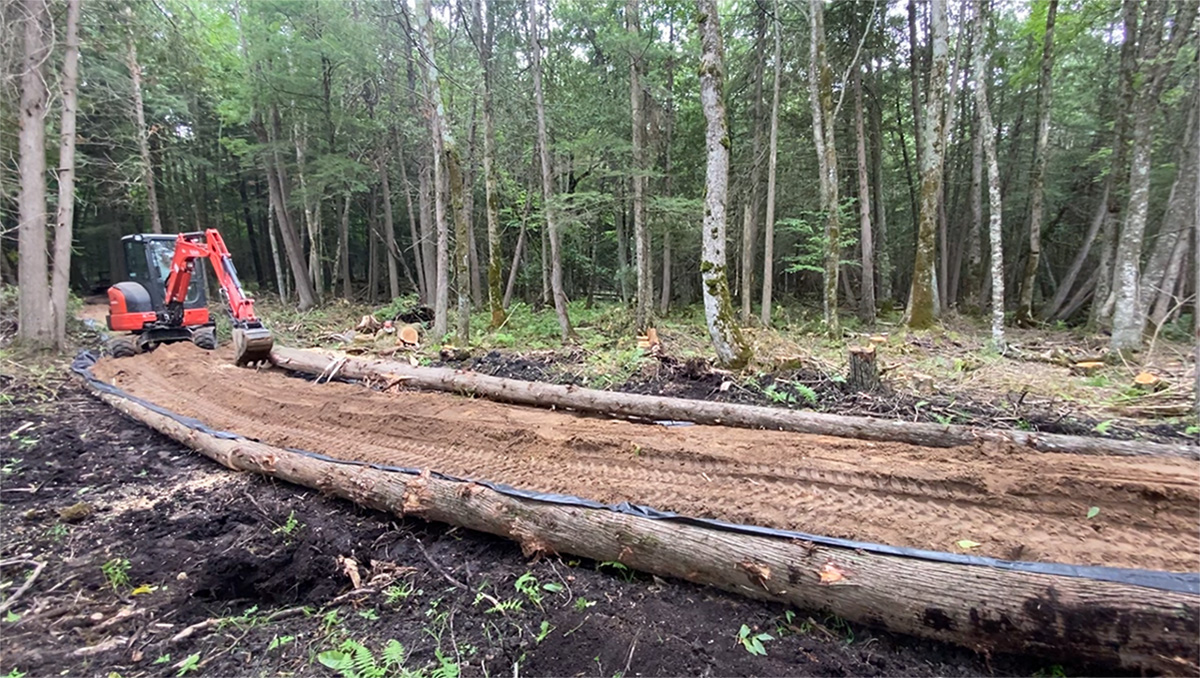
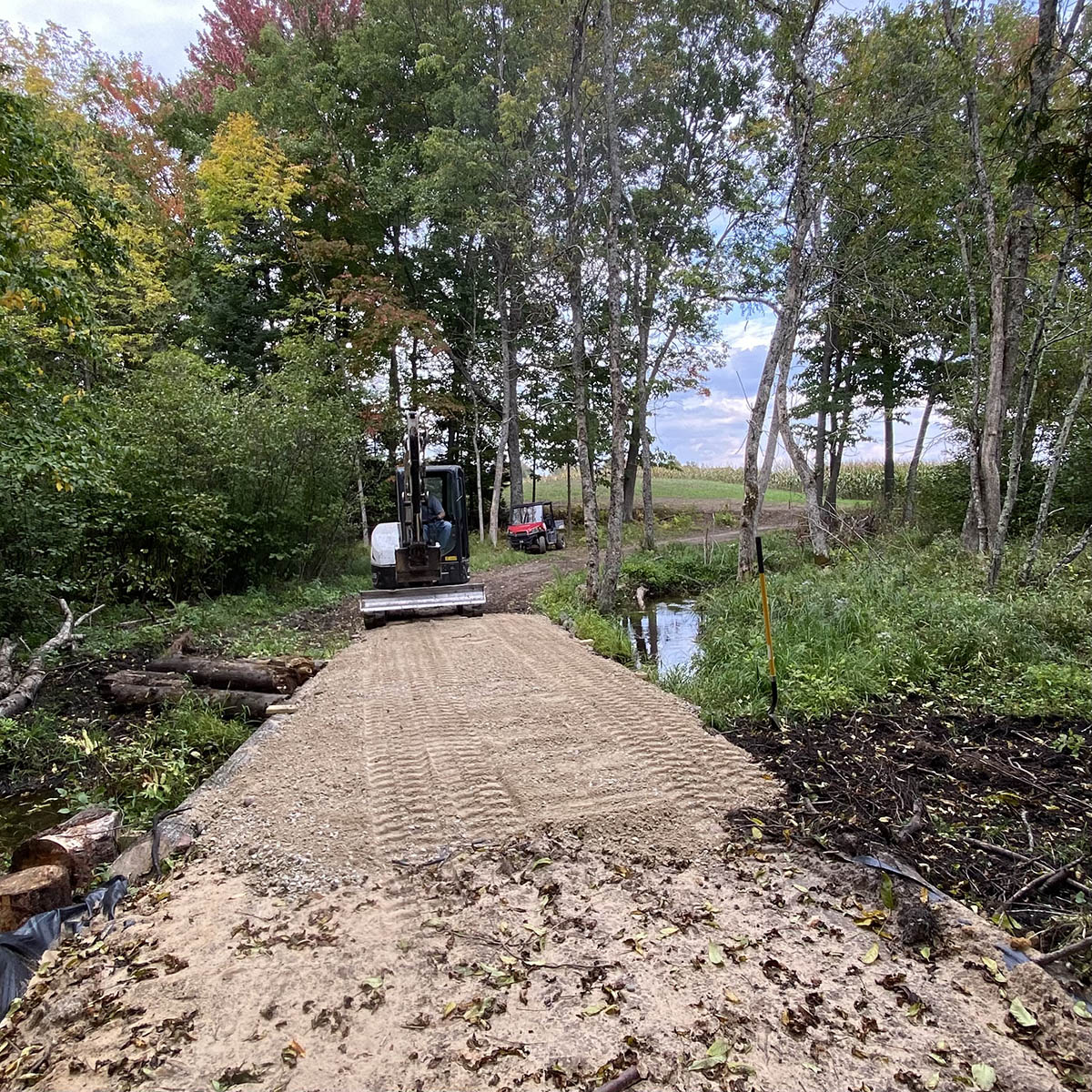
Expert Timber Stand Improvement for Deer in Eau Claire WI
Timber stand improvement isn’t about cutting down your woods. It’s about strategic management that creates better habitat while maintaining your forest’s beauty and value. Our timber stand improvement for deer in eau claire wi services focus on opening the canopy in targeted areas, removing low-value trees, and promoting the growth of plants that deer actually use.
When sunlight reaches the forest floor, amazing things happen. Within weeks, you’ll see new growth sprouting. Within months, that growth becomes browse that deer feed on daily. Within a year or two, your timber transforms into a layered habitat with food at ground level, cover at mid-level, and mast-producing trees overhead.
We carefully select which trees to remove and which to keep. We target invasive species, diseased trees, and low-quality timber that’s crowding out better specimens. We preserve your valuable oaks, hickories, and other mast producers that drop acorns and nuts deer depend on. The result is a healthier forest that produces more food, better cover, and more deer.
Our approach to selective timber cutting for wildlife in eau claire wi considers both immediate deer habitat needs and long-term forest health. We’re not loggers looking to maximize board feet. We’re wildlife managers who understand that the right cut in the right place can create browse, bedding, and travel corridors that last for years.
The improvement you’ll see is dramatic. Properties that once had deer passing through quickly become destinations where deer spend their days. Bucks that bedded on neighboring land start using your timber. Does raise fawns in the security of your improved cover. And come hunting season, you’re sitting in the middle of the action instead of watching deer cross your property lines.
Professional TSI Services for Whitetail Habitat in Eau Claire WI
Every property is different, and cookie-cutter solutions don’t work. Our TSI services for whitetail habitat in eau claire wi are customized to your specific land, your deer management goals, and your budget.
We start with a complete property assessment. We walk your timber, identifying tree species, age classes, canopy density, and existing deer usage. We look at browse availability, bedding cover, and how your timber connects to food sources and water. We consider your hunting strategy and where improvements would have the biggest impact.
Then we develop a multi-year TSI plan. Some improvements happen in year one to create immediate results. Others are phased over several years to maintain habitat diversity and avoid over-cutting. This strategic approach ensures your property is always producing for deer while your forest continues to mature and improve.
Our TSI services include a range of techniques tailored to your needs. We might recommend patch cuts to create early successional growth in some areas. We could suggest group selections to create canopy gaps of varying sizes. We often combine multiple approaches across different zones of your property to maximize habitat diversity.
The beauty of professional TSI is that you’re not just creating deer habitat—you’re increasing your property value. Well-managed timber is worth more than neglected woods. The trees we leave behind grow faster with less competition. Your forest becomes more resilient to disease, storms, and invasive species. And you gain the satisfaction of being a true land steward.

Specialized Hinge Cutting for Deer Habitat in Eau Claire WI
One of the most effective TSI techniques for immediate deer habitat improvement is hinge cutting. Our hinge cutting for deer habitat in eau claire wi services create instant cover and browse while maintaining living trees that continue to produce.
Hinge cutting involves partially cutting a tree so it falls but remains attached to the stump. The tree stays alive, sending up vertical shoots that deer browse heavily. The fallen trunk and branches create thick horizontal cover perfect for bedding. And the canopy opening allows sunlight to reach the ground, promoting additional growth.
We use hinge cutting strategically to create specific habitat features. Need a bedding area? We can hinge cut a patch of smaller trees to create a tangled sanctuary where deer feel secure. Want to funnel deer movement? We hinge trees to create natural barriers that guide deer along specific travel routes toward your stand locations.
The timing and technique of hinge cutting matter tremendously. Trees cut at the wrong time might die instead of surviving. Trees hinged incorrectly might break off completely or fall in the wrong direction. We have the experience to do it right—selecting the right species, cutting at the optimal height, and creating the perfect hinge that holds while redirecting growth.
Popular species for hinge cutting in Wisconsin include basswood, aspen, willow, maple, and ironwood. These species survive the hinging process well and produce abundant browse that deer actively seek out. Within weeks of hinge cutting, you’ll see deer trails leading directly to the fresh browse.

Premium Whitetail Edge Feathering Services in Eau Claire WI
Some of the best deer habitat exists where different cover types meet. Forest edges, field borders, and transition zones are deer magnets—if they’re managed correctly. Our whitetail edge feathering services in eau claire wi transform harsh, straight edges into soft, productive transition zones.
Edge feathering creates a gradual transition from open areas to mature timber. Instead of a sharp line where field meets forest, you create layers of habitat. Low grasses and forbs closest to the field. Then shrubs and brush. Then small trees. Then progressively taller trees into the forest interior. This layered approach provides everything deer need in a compact area.
We achieve edge feathering through selective cutting and release. We remove larger trees along the edge, allowing sunlight to stimulate shrub and brush growth. We might hinge cut some mid-sized trees to create additional structure. We release desirable browse species by cutting competing vegetation. The result is thick, productive edge habitat that holds deer throughout the day.
Feathered edges offer multiple benefits. They provide screen cover that lets deer move between field and forest without feeling exposed. They produce abundant browse at multiple height levels. They create ideal bedding areas where deer can watch open areas while staying concealed. And they serve as staging areas where bucks wait before entering food plots at dusk.
The width of your feathered edge depends on your goals and available space. A basic edge might extend 20-30 feet into the timber. A more elaborate feathered edge could reach 50-75 feet, creating a true transition zone. We design each edge to fit your property layout and maximize its value for deer movement and hunting strategy.
Why Professional TSI Makes Sense
You might be wondering if you need professional help for timber work. After all, cutting trees doesn’t seem complicated. But there’s a huge difference between randomly cutting trees and implementing a strategic TSI plan that improves deer habitat.
Avoid Expensive Mistakes: Cutting the wrong trees can damage your forest for decades. Removing mast producers, over-opening the canopy, or creating poor bedding areas wastes money and opportunity. We get it right the first time.
Proper Equipment and Safety: TSI work requires chainsaws, often heavy equipment, and sometimes working with large trees in challenging terrain. We have commercial equipment, insurance, and trained operators who work safely and efficiently.
Expert Species Knowledge: Knowing which trees to cut, which to keep, which species deer prefer, and how different trees respond to cutting comes from experience. We bring that expertise to every project.
Integrated Planning: TSI should work with your overall property plan—complementing food plots, connecting to access trails, and positioning bedding areas strategically. We see the big picture and make everything work together.
Save Time: TSI is labor-intensive work. What might take you weeks or months of weekends, we complete in days, freeing you to focus on other aspects of property management or simply enjoying your land.
Transform Your Timber Today
At White Tail Design Build, we’re passionate about creating exceptional whitetail habitat through professional timber management. We’ve seen firsthand how the right TSI work transforms properties from deer crossings into deer destinations.
Whether you have 20 acres of timber or 200, whether you’re managing for trophy bucks or just want to see more deer, we can help. Our services are tailored to your budget, timeline, and vision for your land.
Ready to unlock your timber’s potential? Contact White Tail Design Build today for a property assessment and TSI consultation. Let’s discuss how we can improve your woods, increase deer activity, and create the hunting property you’ve always wanted. Your best timber—and your best hunting—starts here.
Frequently Asked Questions (FAQs)
What is timber stand improvement (TSI) for deer habitat?
Timber stand improvement (TSI) is the selective removal or manipulation of trees to enhance forest health and wildlife habitat. For deer management, TSI focuses on opening the forest canopy to promote ground-level browse growth, improving bedding cover, and increasing mast production from nut-bearing trees like oaks and hickories.
- How does TSI differ from regular logging? TSI focuses on wildlife habitat improvement and forest health rather than timber profit. While logging removes the most valuable trees for sale, TSI removes low-quality, diseased, or invasive trees while preserving the best mast-producing and cover-providing specimens. The goal is better deer habitat, not maximum board feet.
- Can you make money from TSI timber removal? Sometimes, yes. If your property has marketable timber among the trees being removed, you can offset TSI costs through timber sales. However, TSI often targets smaller, lower-quality trees with limited market value. The real return comes from increased property value and better hunting, not timber revenue.
- Will TSI damage my forest’s appearance? Professional TSI actually improves forest appearance over time. Initially, you’ll see cut stumps and more sunlight, but within one growing season, lush understory growth fills in. Within 2-3 years, your woods will look healthier and more diverse than the dark, empty understory of an unmanaged forest.
- How long does it take to see results from TSI? You’ll see new growth within 4-6 weeks after TSI work as sunlight reaches the forest floor. Browse plants that deer actively feed on appear within 2-3 months. Significant habitat improvement with thicker cover and abundant food sources typically develops within 1-2 growing seasons.
- Do deer immediately use TSI areas after cutting? Deer often begin browsing new growth within days or weeks of TSI work. However, for bedding areas, it’s best to let TSI areas rest for 4-8 weeks after completion to allow human scent to dissipate and vegetation to recover before deer fully adopt them as security cover.
What is hinge cutting and how does it benefit deer?
Hinge cutting is a TSI technique where a tree is partially cut and bent over so it remains alive but falls horizontally, creating both immediate ground-level cover and ongoing browse production. The living tree sends up vertical shoots that deer feed on while the fallen trunk and branches provide bedding security.
- What trees are best for hinge cutting in Wisconsin? The best species for hinge cutting in Wisconsin include basswood, aspen, willow, maple, ironwood, and certain oak species. These trees survive the hinging process well, produce prolific regrowth that deer browse heavily, and create durable cover. Avoid hinging brittle species like ash or cherry that tend to break off completely.
- What size trees should you hinge cut? Trees 2-6 inches in diameter work best for hinge cutting. Trees smaller than 2 inches don’t create substantial cover or browse. Trees larger than 6-8 inches become difficult to control safely and may break instead of hinging properly. For larger areas, you can hinge multiple smaller trees for better effect.
- How long do hinge-cut trees stay alive? Properly hinge-cut trees can survive and produce browse for 5-10+ years depending on species. Basswood and aspen are particularly vigorous, sending up shoots for many years. Even after the original tree dies, the fallen trunk continues providing cover structure for another 5-10 years as it slowly decomposes.
- Can you hinge cut trees yourself or hire professionals? Experienced landowners can learn to hinge cut safely with proper chainsaw training, but professionals deliver better results with fewer risks. Common DIY mistakes include cutting too deep (tree breaks off), wrong hinge placement (falls wrong direction), or poor species selection. Professionals also complete projects much faster with commercial equipment.
- When is the best time of year for hinge cutting? Late winter to early spring (January-April) is ideal for hinge cutting in Wisconsin. Trees are dormant, making them easier to cut and more likely to survive. Cutting during this period also minimizes disturbance to deer during critical times like fawning (late spring) and the rut (fall).
What is edge feathering and why does it matter for whitetails?
Edge feathering is the process of creating gradual, layered transitions between different habitat types (like field to forest) rather than sharp, abrupt edges. This creates diverse vertical structure with grasses, shrubs, small trees, and large trees in progression, providing deer with food, cover, and safe travel routes all in one productive zone.
- How wide should a feathered edge be? Effective feathered edges range from 20-75 feet wide depending on your property size and goals. A basic feathered edge of 20-30 feet provides good screening and browse. More elaborate edges of 50-75 feet create true transition zones that function as primary bedding and staging areas for mature bucks.
- What’s the difference between feathering and just cutting edge trees? Simple edge cutting creates a new hard line, just pushed back from the original. True feathering creates graduated layers—low vegetation nearest the field, progressively taller growth moving into the forest. This requires selective removal at varying depths, strategic hinge cutting, and release of desirable browse species at multiple height levels.
- Can you feather edges on small properties? Yes, even properties with limited acreage benefit from edge feathering. On a 10-20 acre parcel, a 20-foot feathered edge along one side of a food plot can dramatically increase deer usage. Focus on feathering the downwind side of openings where deer prefer to stage before entering.
Do feathered edges require ongoing maintenance? Feathered edges need periodic maintenance every 3-5 years to prevent canopy closure and maintain the layered structure. This might involve additional selective cutting, mowing or brush hogging the front edge, or releasing browse species being crowded out. Regular maintenance keeps edges productive indefinitely.
How much does timber stand improvement cost?
TSI costs typically range from $300-$800 per acre depending on project complexity, timber density, terrain, and specific techniques used. Simple canopy thinning runs $300-$400/acre, while intensive work including hinge cutting, edge feathering, and invasive species removal costs $600-$800/acre. Many landowners start with 5-10 acres to see results before expanding.
- Can timber sales pay for TSI work? If your property has marketable timber among the trees being removed, you can potentially offset 25-75% of TSI costs through timber sales. However, TSI often targets smaller or lower-quality trees with minimal market value. The primary investment return comes from dramatically improved deer habitat and increased property value, not timber revenue.
- Is there government cost-share money available for TSI? Yes, several programs offer cost-share assistance for habitat improvement. The USDA NRCS offers Environmental Quality Incentives Program (EQIP) funding. Many states have wildlife habitat improvement grants. Wisconsin DNR occasionally offers forestry assistance programs. Check with your county land conservation department or wildlife biologist about current opportunities.
- Should I do TSI all at once or phase it over several years? Phasing TSI over 2-4 years is often better than doing everything at once. This maintains diverse habitat age classes, avoids overwhelming the property with disturbance, spreads costs, and lets you evaluate results before proceeding. Start with high-priority areas near food sources or along travel corridors, then expand based on deer response.
- Does TSI increase my property taxes? TSI generally doesn’t increase property taxes and may actually reduce them in some cases. If your land is enrolled in Wisconsin’s Managed Forest Law (MFL) or Forest Crop Law programs, TSI is an approved management activity. Removing low-value timber doesn’t increase assessed value like building structures would, and improved wildlife habitat doesn’t typically trigger tax reassessment.
What's the best TSI strategy for a 40-acre property?
For a 40-acre property, focus TSI on 10-15 acres in strategic locations rather than spreading work too thin. Prioritize creating 2-3 distinct bedding areas (2-3 acres each) in secure locations, feather edges around existing or planned food plots (20-30 feet wide), and improve 3-5 acres of travel corridors connecting bedding to feeding areas.
- Where should bedding areas be located on a 40-acre parcel? Place bedding areas on the downwind side of expected danger (roads, neighbors, your access points), ideally on elevated terrain like ridges or hillsides where deer can see, smell, and hear approaching threats. Position at least 100-150 yards from food sources so deer must travel through your stand locations during shooting hours.
- How many bedding areas does a 40-acre property need? A 40-acre property should have 2-3 quality bedding areas of 1-3 acres each. Multiple bedding areas let deer choose based on wind direction and hunting pressure. Having backup bedding also means you can hunt one area while leaving others as sanctuaries, keeping deer on your property even during hunting season.
- Should TSI bedding areas be different from natural thick cover? Yes, TSI can dramatically improve even naturally thick areas. Dense canopy forest often lacks ground-level cover where deer actually bed. Opening the canopy through TSI stimulates low, thick growth that deer prefer. Combining natural terrain advantages (elevation, security) with TSI-created cover produces superior bedding areas.
- Can you over-do TSI on a small property? Absolutely. Over-cutting removes too much canopy, creating open woods that deer avoid during daylight. It also eliminates future mast production and can lead to invasive species taking over. On 40 acres, treating 25-35% of the property (10-15 acres) is usually optimal, leaving the rest as mature timber or sanctuary areas.
- What happens if you cut too much canopy? Excessive canopy removal creates open, park-like woods without the security cover deer need for bedding. It can also trigger explosive growth of invasive species like buckthorn or honeysuckle that outcompete native browse. The forest floor may become dominated by grass rather than the forbs and shrubs deer prefer. Recovery from over-cutting takes 5-10+ years.
When should you avoid doing TSI work?
Avoid TSI during the fawning season (May-July) when does are raising fawns, during the rut (October-November) when deer breeding occurs, and during hunting season when you want minimal disturbance. Also avoid TSI during wet conditions when heavy equipment causes soil compaction and rutting, or during active disease outbreaks that could spread through cutting.
- Why is timing TSI around deer biology important? Working during critical periods like fawning or the rut causes stress that can push deer off your property for weeks or months. Does may abandon fawns if disturbed during the first few weeks after birth. Bucks may shift their core areas entirely if their rutting zones are disrupted. Timing TSI for late winter/early spring minimizes these impacts.
- Can winter TSI damage trees or soil? Winter TSI (January-March) is actually ideal for most properties. Frozen ground prevents soil compaction and rutting from heavy equipment. Trees are dormant and less susceptible to disease transmission through cut wounds. Snow cover protects ground vegetation. The main challenge is working safely in cold conditions and potentially difficult access.
- How long should you wait to hunt after TSI work? Wait at least 4-6 weeks before hunting TSI areas to allow human scent to dissipate and let deer adjust to the changes. For major TSI projects, waiting a full season is often better. Deer typically resume normal patterns within 2-4 weeks, but giving them a full season to adopt new cover and travel patterns leads to better hunting success.
- What weather conditions are worst for TSI? Wet, muddy conditions are the worst for TSI because heavy equipment creates deep ruts, compacts soil, and damages tree roots. This soil damage can take years to recover and may kill nearby trees you wanted to preserve. Frozen ground or dry summer conditions are much better for minimizing soil impact, though summer work should avoid the fawning period.