Whitetail Hunting Property Development in Eau Claire, WI
Are you ready to turn your property into a thriving whitetail hunting destination? White Tail Design Build helps landowners in Eau Claire, Wisconsin create sustainable, productive hunting properties through expert planning and proven habitat management strategies. Whether you own 20 acres or 200, we’ll help you design a property that attracts and holds mature deer while supporting long-term herd health.
Whitetail Hunting Property Development Services in Eau Claire WI
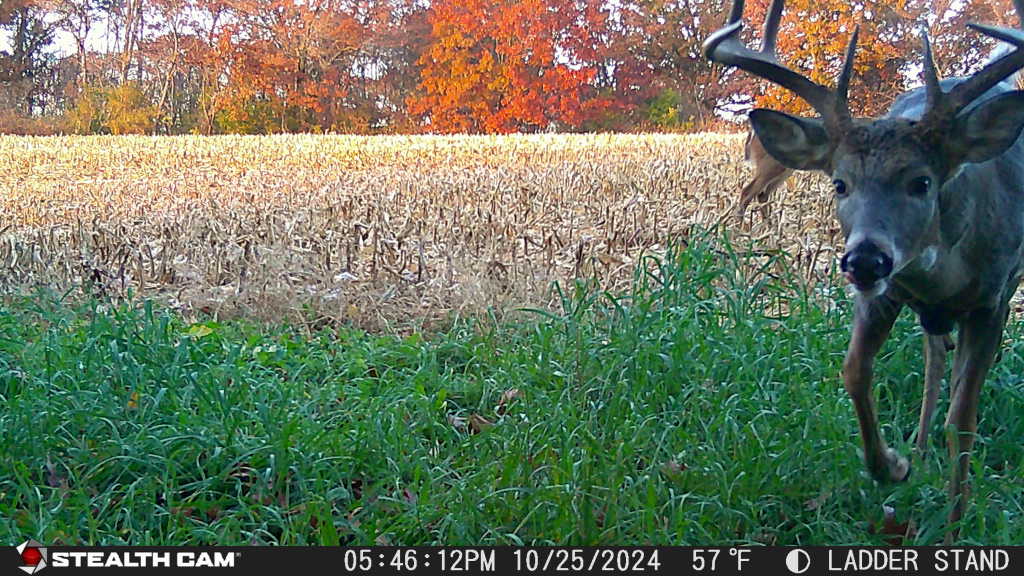
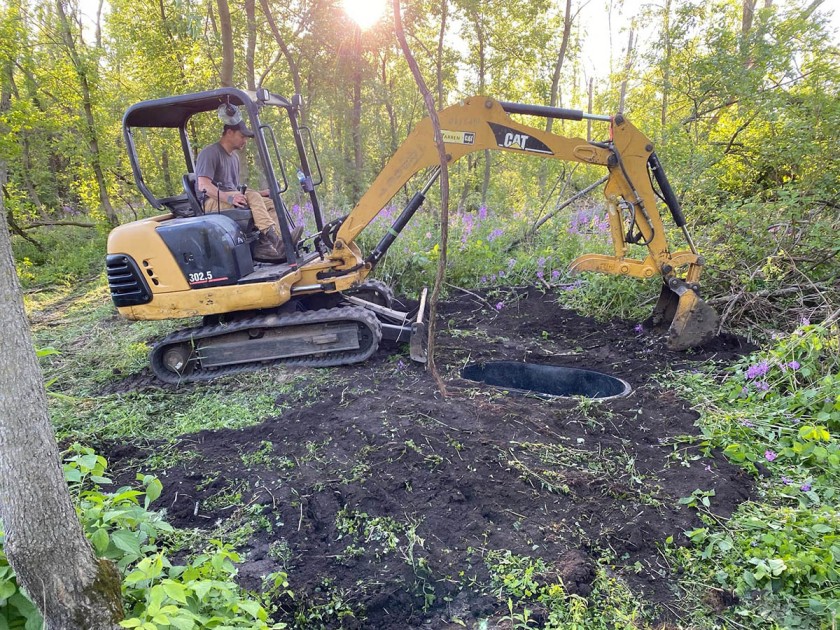
Our whitetail hunting property development services in Eau Claire WI go far beyond simply planting a few food plots and hoping for the best. We take a comprehensive approach to habitat design that considers every aspect of what deer need to thrive on your property. From the initial land assessment through implementation and long-term management, we partner with you to create a hunting property that meets your specific goals and works with your land’s natural characteristics.
Many landowners make the mistake of applying a blanket approach to their property—planting food plots wherever there’s open ground without understanding how deer actually use the land. This often leads to disappointing results and wasted money. Deer are complex animals with specific needs for bedding security, food sources, water access, and safe travel routes. Without addressing all these elements together, even the best food plot will fail to attract and hold mature bucks.
Start with a Land Assessment: Understanding What You Have
Before you clear a single tree or plant a single seed, you need to know exactly what you’re working with. A proper land assessment is the foundation of any successful whitetail hunting property layout design in Eau Claire WI. This critical first step saves you time, money, and frustration down the road.
During our land assessment process, we examine several key factors that will shape your property’s potential:
Soil Type and Quality:
Not all soil is created equal. We test your soil to understand its pH, nutrient levels, and composition. This tells us what types of food plots will thrive without expensive amendments, where natural browse will grow best, and which areas might need special attention. Sandy soils drain quickly and work well for certain plots, while clay-heavy soils hold moisture and support different plant species.
Topography and Terrain: The lay of your land dramatically affects deer movement and habitat design. We map elevation changes, ridges, valleys, saddles, and flat areas. Deer naturally use terrain features to move safely across the landscape. A saddle between two hills becomes a travel corridor. A south-facing slope might offer perfect thermal bedding. Understanding these features helps us work with nature instead of against it.
Water Availability:
Deer need reliable water sources, especially during summer and early fall. We identify existing creeks, ponds, springs, and wetlands on your property. If natural water is limited, we’ll recommend where to add water features that fit into the overall habitat design. Water sources also serve as natural attractants and can help funnel deer movement.
Existing Cover Types:
We inventory the vegetation already on your land—hardwoods, conifers, brush, grasses, and agricultural areas. This tells us where deer are likely bedding now, what natural food sources are available, and what gaps need to be filled. Mature oak stands provide acorns. Cedar thickets offer winter cover. Each cover type plays a role.
Access and Infrastructure:
How you access your property determines where you can hunt without educating deer to your presence. We identify existing roads, trails, and potential entry points. We also note where power lines, fences, and other infrastructure exist. Good access design keeps human scent and disturbance away from core bedding and feeding areas.
Neighboring Land Use:
What happens on surrounding properties directly impacts yours. We consider whether neighbors are farming, logging, hunting, or developing their land. This influences deer movement patterns onto and off of your property. It also helps us understand hunting pressure and where deer might be finding sanctuary.
Whitetail Hunting Property Layout Design in Eau Claire WI
Once we understand your land, we create a customized whitetail hunting property layout design in Eau Claire WI that addresses every component of whitetail habitat. This is where science meets strategy, and where your property transforms from just land into prime hunting ground.
Holistic Habitat Design—Beyond Food Plots
Food plots are important, but they’re just one piece of a much larger puzzle. Mature bucks don’t survive by eating in the open during daylight. They need secure bedding areas, safe travel routes, and minimal human disturbance. Our holistic approach considers how all these elements work together.
Bedding Areas: Deer need places where they feel safe to rest during the day. We identify or create thick cover zones with good visibility and multiple escape routes. These bedding areas become the anchors of your property. Mature bucks especially prefer bedding spots where they can see, smell, and hear danger approaching from any direction. The location, size, and density of bedding cover determine whether deer will live on your property or just pass through.
Travel Corridors: Deer are creatures of habit who use the same routes repeatedly—if those routes feel safe. We design natural funnels using existing terrain features, strategic land clearing for hunting properties in Eau Claire WI, and planted cover strips. These corridors connect bedding areas to food sources and water while keeping deer away from property boundaries where they might be pressured. By understanding prevailing winds and seasonal patterns, we can predict where deer will move and design stand locations accordingly.
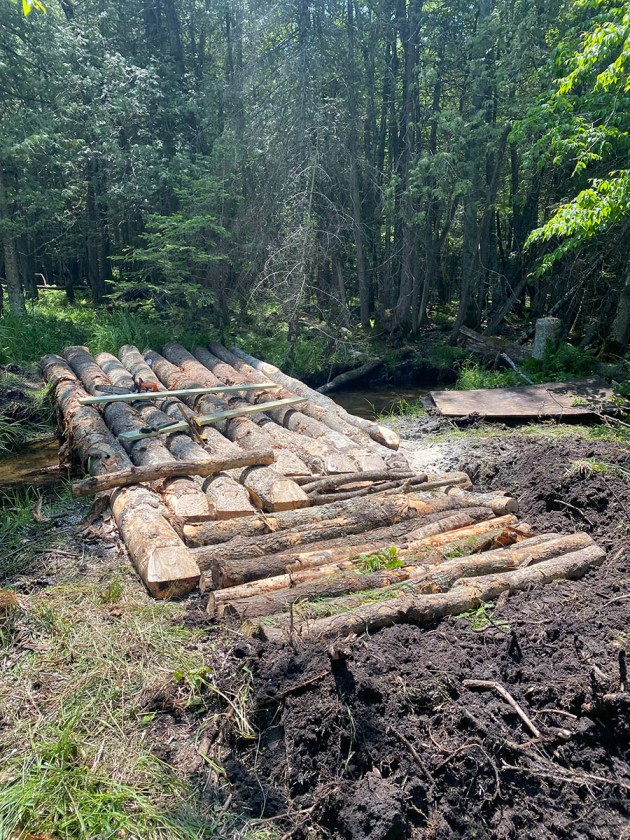
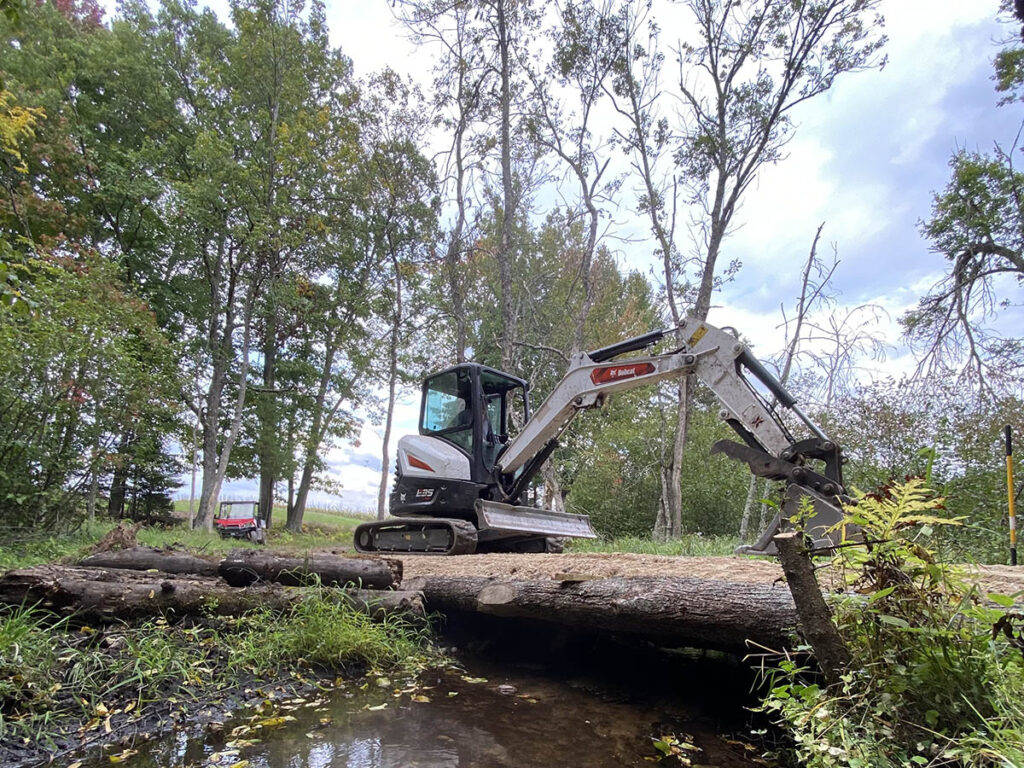
Staging Areas: Between bedding and food plots, mature bucks often use staging areas—smaller food sources or cover pockets where they wait until after dark before entering open plots. We incorporate these staging areas into your design, giving you places to intercept deer during legal shooting hours.
Seasonal Considerations: Deer behavior changes with the seasons, and your property design must account for this. During summer, does seek lush green browse and water. In fall, deer focus on high-energy foods like acorns and agricultural crops. Winter demands thermal cover and accessible food. Spring brings fawning areas and new growth. We consider how wind direction, food availability, and cover density change throughout the year, ensuring your property remains attractive to deer in all seasons.
Minimal Human Disturbance: Every time you enter your property, you educate deer about human presence. Our whitetail land improvement contractors in Eau Claire WI design access routes that keep your scent and sound away from critical areas. We plan where you’ll park, how you’ll walk to stands, and where you’ll do property work. This careful planning means mature bucks never associate your property with danger.
Whitetail Design Build Services in Eau Claire WI
Our whitetail design build services in Eau Claire WI turn plans into reality. We handle everything from initial consultation through implementation and ongoing management. Whether you want us to manage the entire project or prefer to do some work yourself, we offer flexible options that fit your budget and timeline.
Tailored Management Plans for Your Goals
No two properties are identical, and no two landowners have the same goals. Some want to harvest trophy bucks. Others want a healthy, balanced herd for family hunting. Some manage for maximum deer numbers, while others prefer lower density with better deer quality. We design your property based on what you want to achieve.
Trophy Buck Management: If growing mature bucks is your goal, we design with low human pressure, premium food sources, and secure sanctuaries. We recommend harvest strategies that protect young bucks, balance the doe population, and create age structure in your herd. Your property becomes a place where bucks want to live, not just pass through.
Sustainable Herd Management: For landowners who want consistent hunting opportunities without focusing solely on antler size, we design for herd health and balance. This means adequate food and cover for all age classes, doe harvest to prevent overpopulation, and habitat that supports fawning and recruitment.
Mixed-Use Properties: Many landowners want to hunt but also manage timber, grow hay, or maintain agricultural income. We integrate these uses into your habitat design. Timber harvests can create edge habitat and bedding cover. Hay fields can double as food sources. We help you balance economics with wildlife management.
Decision Frameworks: Your property’s size, soil type, budget, and time commitment all influence the design approach. A 40-acre property requires different strategies than 200 acres. Sandy soils suggest different food plot species than rich loam. Limited budgets mean we prioritize high-impact improvements first. We provide clear frameworks that match recommendations to your specific situation.
Phased Implementation: You don’t need to complete everything in year one. We create phased plans that spread work and costs over multiple years. Start with land clearing for hunting properties in Eau Claire WI to create access and initial plots. Year two adds bedding improvements and water sources. Year three expands food plots and refines stand locations. This approach makes large projects manageable while showing results each season.
DIY and Remote Options for Every Landowner
Not every landowner lives near their hunting property or has time for hands-on management. Our whitetail land improvement contractors in Eau Claire WI offer remote consultation and virtual habitat design services that let you improve your land even from a distance.
We can review aerial imagery, topographic maps, soil data, and photos you provide to create a detailed habitat plan without an in-person visit. You’ll receive a written plan with maps showing exactly where to make improvements. We provide species lists for food plots, equipment recommendations, and step-by-step implementation guides.
For landowners who want to do some work themselves, we offer consultation services where we design the plan and you handle the implementation. We provide ongoing support through phone calls, emails, and photo reviews to ensure you’re on track.
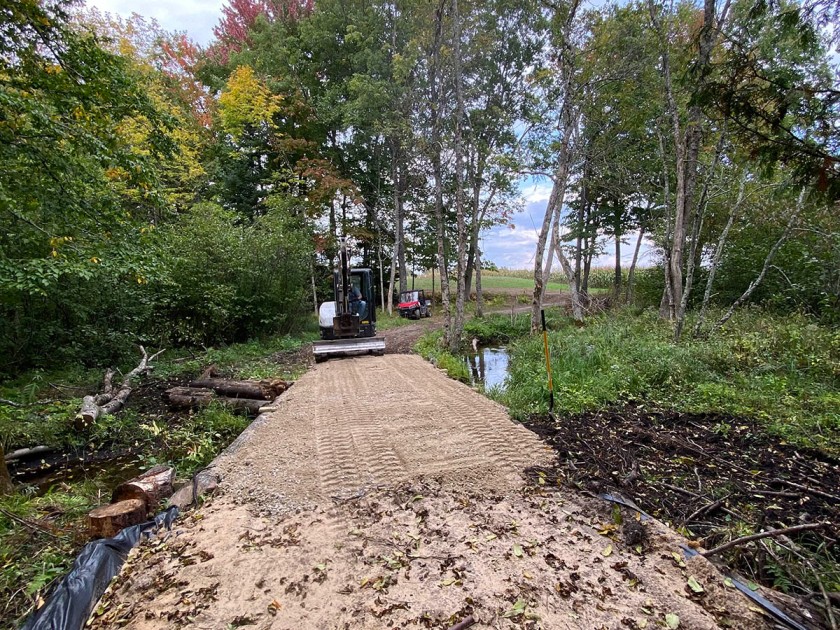
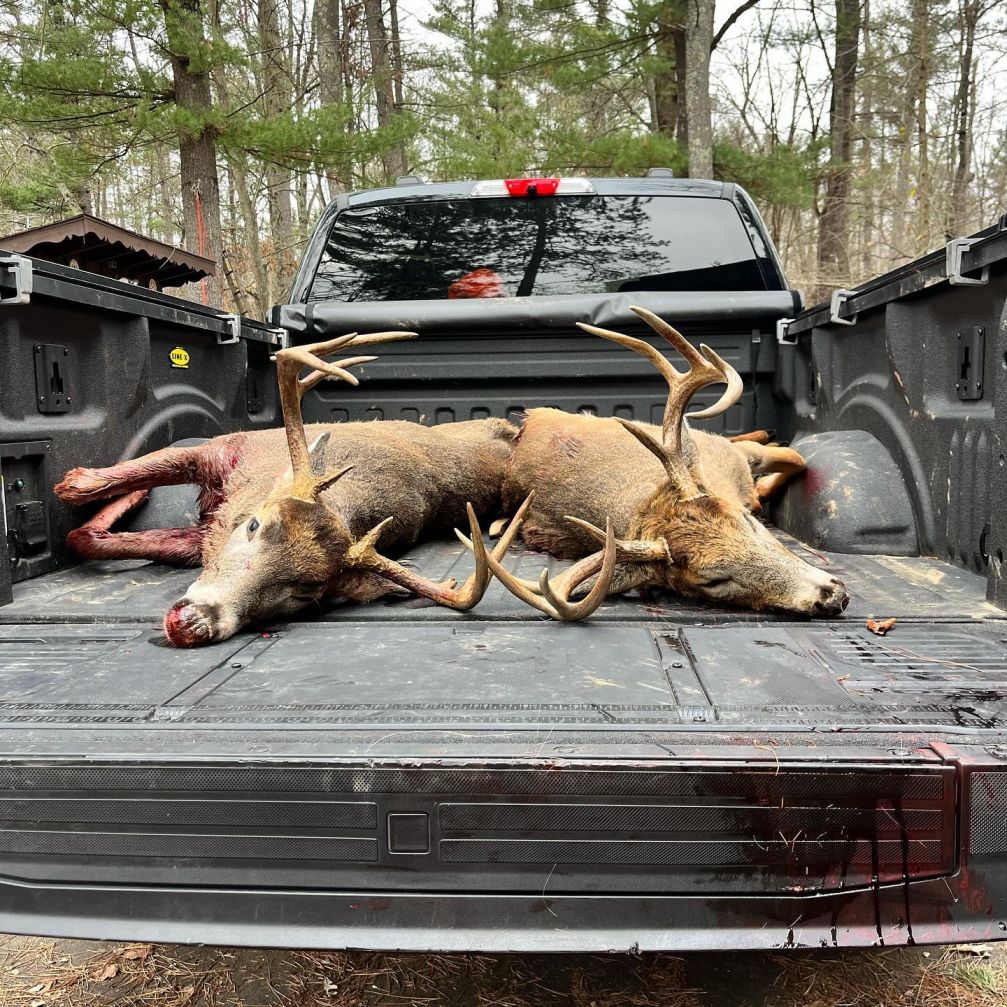
We also create practical tools to help you manage your property:
Property Assessment Checklists: Detailed forms that guide you through evaluating your land’s current condition, identifying strengths and weaknesses, and prioritizing improvements.
Budget Planning Worksheets: Honest breakdowns of costs for different improvements, helping you plan financially for both immediate work and long-term maintenance.
Time Management Guides: Seasonal calendars showing when to plant food plots, when to do habitat work, when to hang stands, and when to simply stay out of sensitive areas.
Regulatory Compliance Resources: Information about local wildlife regulations, hunting rules, and any permits or approvals needed for your improvements.
Long-Term Maintenance Schedules: Your habitat isn’t a one-time project. We provide maintenance plans showing what needs attention each year—food plot rotation, cover management, equipment needs, and monitoring tasks.
Long-Term Management, Ecology, and Sustainability
Creating quality whitetail habitat isn’t about quick fixes or short-term trophy chasing. It’s about building a sustainable ecosystem that supports healthy deer for decades to come. Our whitetail design build services in Eau Claire WI emphasize conservation principles that benefit deer, other wildlife, and the land itself.
Deer Herd Health and Ethical Management
A truly successful hunting property starts with a healthy deer herd. This means managing for balanced age structure, proper buck-to-doe ratios, and sustainable harvest practices. We help you implement proven deer management strategies that build herd health rather than depleting it.
Age and Sex Ratio Balance: Properties with only young bucks and too many does produce poor hunting and unhealthy deer. We recommend harvest strategies that protect yearling bucks, allowing them to mature into older age classes. We also address doe populations to keep numbers in balance with available food and cover. This creates competition among bucks, better genetics, and more natural behavior.
Protecting Young Bucks: One of the biggest mistakes hunters make is harvesting every young buck they see. By passing on 1.5 and 2.5-year-old bucks, you allow them to mature into the deer you actually want to hunt. We help you set harvest guidelines that match your goals and property size.
Sustainable Harvest: Taking too many deer too fast damages your herd. Not harvesting enough deer leads to overpopulation, poor body condition, and habitat damage. We help you determine sustainable harvest levels based on your property’s carrying capacity, food availability, and recruitment rates. This ensures great hunting every year, not just for one season.
Habitat Conservation and Ecosystem Health
Quality deer habitat benefits everything living on your land. The same practices that help deer also support turkeys, grouse, songbirds, pollinators, and countless other species. We design with the entire ecosystem in mind.
Food Plot Rotation: Continuous planting in the same locations depletes soil and increases pest problems. We design rotation schedules that rest plots, rebuild soil health, and maintain productivity. Different plot locations each year also changes deer movement patterns, keeping older bucks from becoming predictable.
Cover Preservation: It’s tempting to clear everything for food plots, but deer need cover even more than food. We preserve existing bedding areas, travel cover, and thermal protection. Strategic land clearing for hunting properties in Eau Claire WI creates the edge habitat deer love while maintaining secure cover in critical areas.
Water Source Protection: Clean, reliable water supports not just deer but all wildlife. We protect streams from erosion, maintain buffers around ponds, and prevent contamination from fertilizers or chemicals. Healthy water sources indicate a healthy property.
Seasonal Food Security: Deer need nutrition year-round, not just during hunting season. We design food plot programs and habitat improvements that provide something in every season. Spring offers new growth and protein for antler development and lactating does. Summer provides lush greens and water. Fall delivers high-energy foods for the rut and winter preparation. Winter requires accessible food and thermal cover. Your property becomes a year-round destination for deer.
Natural Regeneration: The best habitat improvements work with natural processes rather than fighting them. We encourage natural forest regeneration in cleared areas, use native plant species wherever possible, and design features that require minimal long-term maintenance. This sustainable approach means your property continues improving even in years when you can’t do active management.
Ready to Transform Your Property?
White Tail Design Build brings decades of combined experience in wildlife management, habitat design, and practical land improvement to every project. Our whitetail hunting property development services in Eau Claire WI are based on proven science, real-world results, and a commitment to sustainable land stewardship.
Whether you’re buying new land and want to evaluate its potential, you’ve owned property for years but aren’t seeing the results you want, or you’re ready to take your hunting property to the next level, we’re here to help. From comprehensive land assessments through complete design-build services and ongoing management support, we offer the expertise you need to succeed.
Contact White Tail Design Build today to schedule your property assessment and start the journey toward creating the whitetail hunting property you’ve always wanted. Your land has potential—let us help you unlock it.
Frequently Asked Questions (FAQs)
What is the first step in developing whitetail hunting property?
-
-
The first step is to perform a full land assessment to understand the soil, terrain, water sources, deer movement, and neighboring land use.
- Why is a land assessment more important than planting food plots right away?
Because food plots alone cannot fix issues like lack of cover, poor travel routes, or high pressure — deer need a complete habitat to stay on a property.
- What problems can happen if food plots are the only improvement?
Deer may feed and leave quickly, avoid the land during daylight, or choose safer neighboring properties due to pressure or lack of bedding.
- What problems can happen if food plots are the only improvement?
- What factors are evaluated during a land assessment?
Soil type, cover density, water availability, bedding areas, topography, and current deer trails are key elements that determine improvement strategy.
How does topography affect deer movement?
Terrain shapes natural travel corridors and wind patterns, both of which influence stand placement and access routes. - Why is a land assessment more important than planting food plots right away?
-
How do you design a whitetail property to control deer movement?
The goal is to create bedding areas, safe travel corridors, water zones, and food sources that keep deer moving naturally through the property with minimal human disturbance.
- Why is controlling deer movement important for hunting success?
Predictable movement allows hunters to set up effective, low-impact stand locations without pushing deer off the land.
- How does stand access affect movement patterns?
Poor entry or exit routes can educate deer and cause them to avoid the area in daylight, reducing huntability.
- How does stand access affect movement patterns?
- How do seasonal changes affect deer movement design?
Wind direction, food availability, cover density, and rut behavior shift across seasons and should influence property layout.
How should stand locations be adjusted for different seasons?
Early-season stands may focus on food and water, while late-season stands focus on thermal cover and high-calorie food.
What makes a holistic whitetail habitat plan better than a single upgrade like food plots?
A holistic plan creates year-round resources — food, bedding, water, cover, and safety — so deer stay on the land instead of using it only occasionally.
- What components are included in holistic habitat design?
Bedding sanctuaries, layered cover, travel routes, water access, multiple food sources, and low-pressure hunting access.
- What is the role of bedding sanctuaries?
They give deer security during daylight, especially mature bucks, increasing daytime presence and hunting opportunities.
- What is the role of bedding sanctuaries?
- How does human pressure impact holistic habitat success?
High pressure causes deer to change travel routes or become nocturnal, even on high-quality land.
What tactics help reduce pressure on deer?
Limited intrusion, silent access trails, and rotation of hunting locations reduce scent and noise exposure.
How do landowner goals influence the design of a whitetail hunting property?
Every landowner has different priorities — trophy bucks, family recreation, herd sustainability, timber harvesting, or mixed-use development — and each requires a different layout.
- How do goals change the recommended habitat plan?
For trophy bucks, pressure control and sanctuary areas are prioritized; for herd sustainability, nutrition and population balance matter most.
- What if the land is small or the budget is limited?
A phased plan prioritizes the highest-impact improvements first, such as bedding creation and movement funnels.
- What if the land is small or the budget is limited?
- How do soil and land type influence habitat plans?
Rich soils can support diverse food sources, while sandy or wet soils may require different plant mixes or water management strategies.
Why should landowners avoid copying plans from other properties?
Deer habitat designs should match the landscape — what works on one piece of land may fail on another due to different natural conditions.
Can whitetail land improvement be done remotely or DIY?
Yes. Many landowners use remote consulting or hybrid build options when they don’t live near the land or prefer doing part of the work themselves.
- How does remote habitat consulting work?
A specialist evaluates maps, GPS pins, drone images, and photos to build a property layout plan without an on-site visit.
- Is remote consulting accurate enough for full land development?
Yes, when detailed mapping and coordinates are provided, especially for planning stand locations, food plots, and access routes.
- Is remote consulting accurate enough for full land development?
- What tools help landowners stay organized during DIY improvement?
Checklists and worksheets for budgeting, access routes, seasonal tasks, and local wildlife regulations keep the project manageable.
Why is a long-term maintenance schedule necessary?
Habitat evolves — food plots rotate, cover grows or thins, and deer behavior changes throughout the year.
Why is sustainability important in whitetail hunting property development?
Sustainable land management protects herd health, supports ethical hunting, and ensures that deer return year after year.
- How do harvest strategies affect deer herd health?
Balanced age and sex ratios produce stronger genetics, better rut behavior, and long-term trophy potential.
- What happens if too many young bucks are harvested?
Antler development decreases, herd structure collapses, and buck behavior becomes unpredictable.
- What happens if too many young bucks are harvested?
- How does habitat conservation strengthen sustainability?
Rotating food plots, protecting water sources, preserving thick cover, and managing timber support deer through all seasons.
Why does late-season habitat matter most?
Deer depend on thermal cover and high-energy winter food to survive and stay on the property instead of migrating.